Funded & community work
Heritage & community projects
Design for museums, trusts, heritage sites and community groups, where the job is to make something understandable rather than to sell it.
Heritage work has a different test. Nobody is being persuaded to buy anything, so the measure is whether a visitor standing in front of a panel in the rain actually understands what they are looking at, and whether they care enough to look up.
That means accuracy first. Named places, dated events, real sources, and nothing invented to make the story tidier. It also means designing for the conditions: weather, poor light, no signal, a ten-year lifespan on a fixed budget, and an organisation that will be maintaining it long after the project closes.
- Suits
- Museums, trusts, community councils, development trusts and volunteer groups
- Timeline
- Varies with funding and committee cycles, usually two to six months
- Funding
- Quotes formatted for grant applications, before and after award
- Budget
- Tell me the figure and I will tell you honestly what it buys
What's included
Everything that makes it work.
Interpretation
Panels, boards and trail material. Written and laid out so the important thing is legible from two metres and the detail rewards standing closer.
Maps and wayfinding
Site maps, trail maps and orientation, drawn to be read on the ground rather than admired on a desk.
Identity for a project
A mark and a system for a trust, a trail or a funded programme, built to survive being applied by several different hands.
Icons and illustration
Drawn sets for sites, species and features, consistent across print, panel and screen.
Digital
A project site, an interactive map or a digital guide, built to load on a bad rural signal.
Accessible by default
Contrast, type size and reading order checked against real standards, because this is often public money and public duty.
What gets handed over
Yours, properly.
Everything below is yours on completion, including the source files. No licence to renew, and nothing that stops you working with someone else next time.
- Print-ready artwork to your fabricator's specification
- A style guide your volunteers and staff can apply without me
- Source files, with no licence tied to my involvement
- Image and source credits documented properly
- Quotes in the format funders ask for, and receipts they will accept
- Realistic timelines that survive a committee meeting
Related work
Where this has gone before.
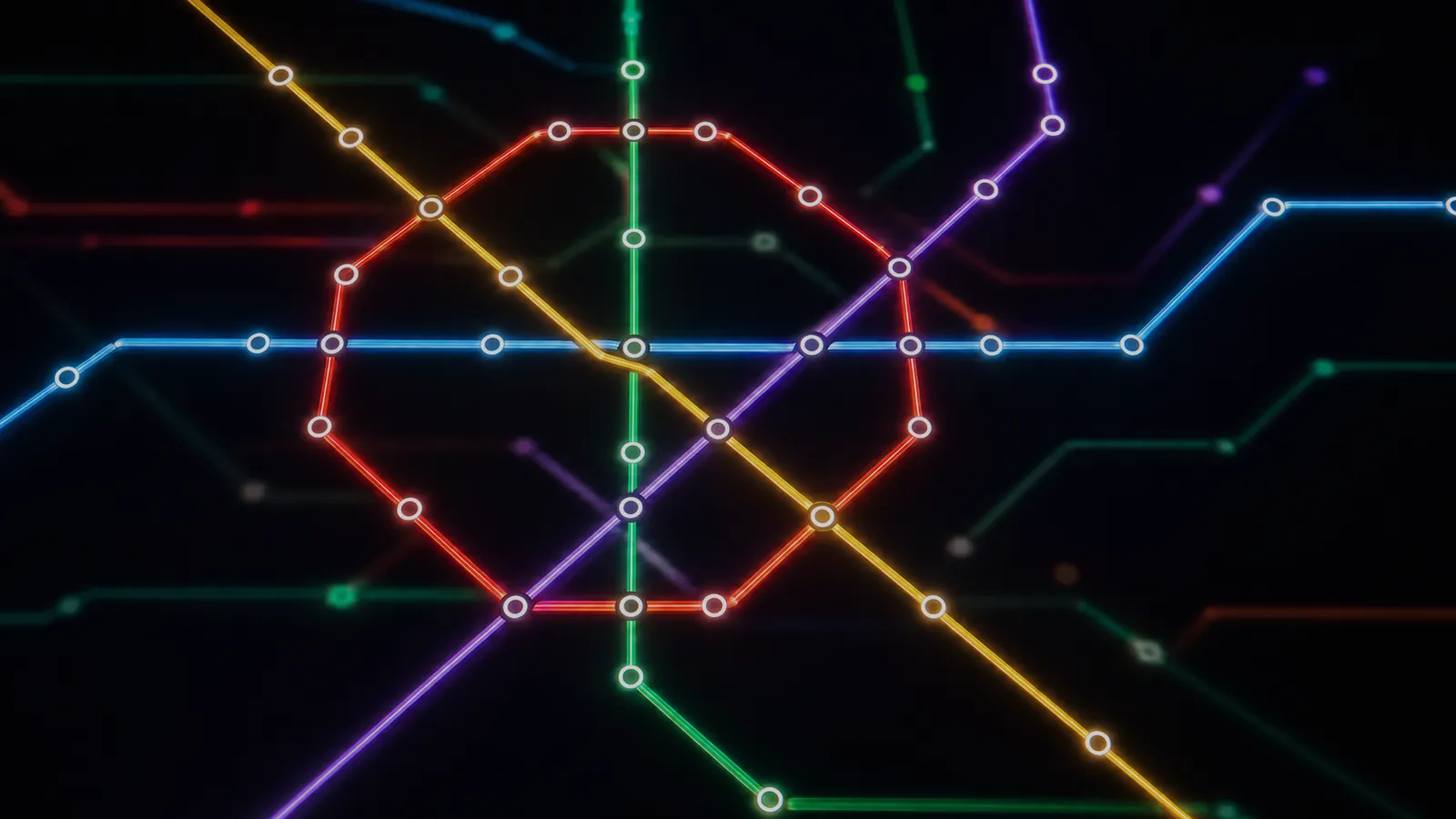
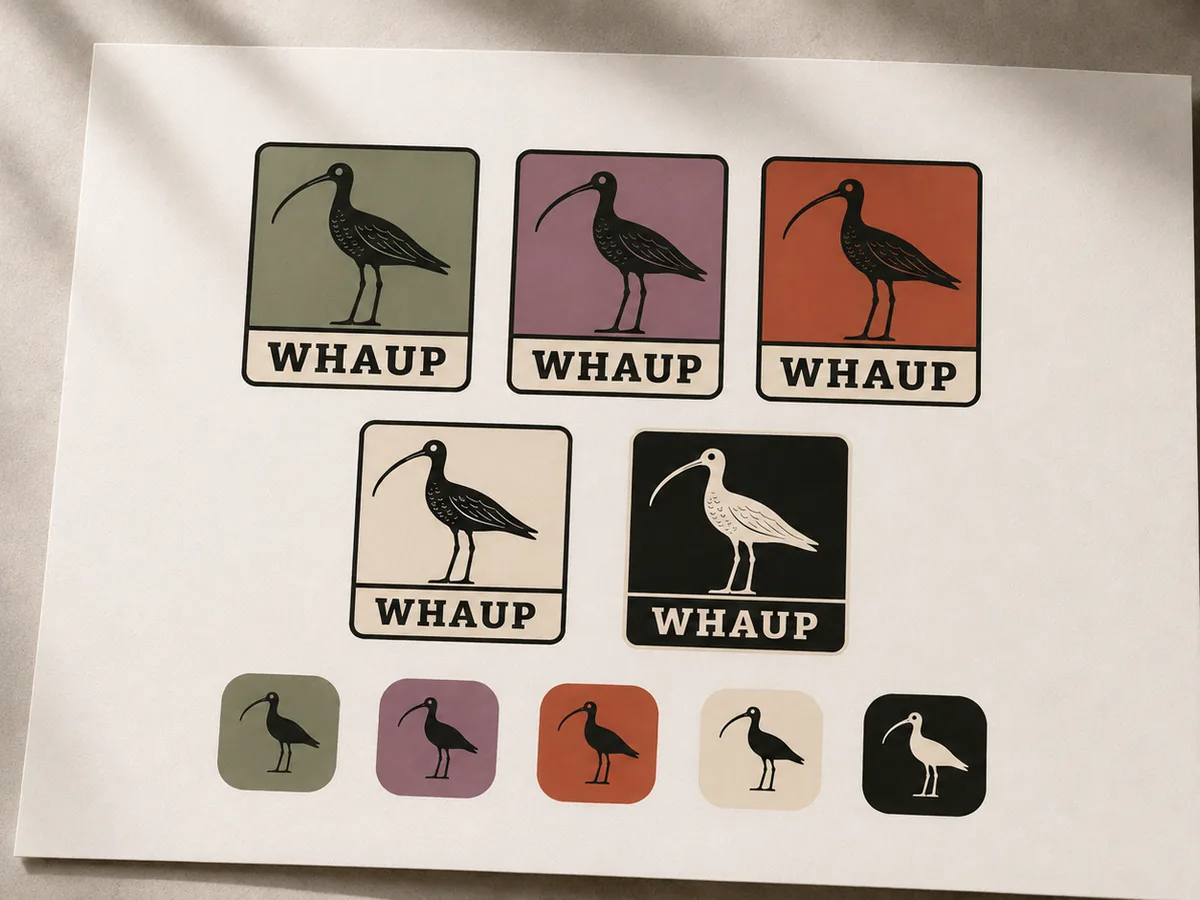
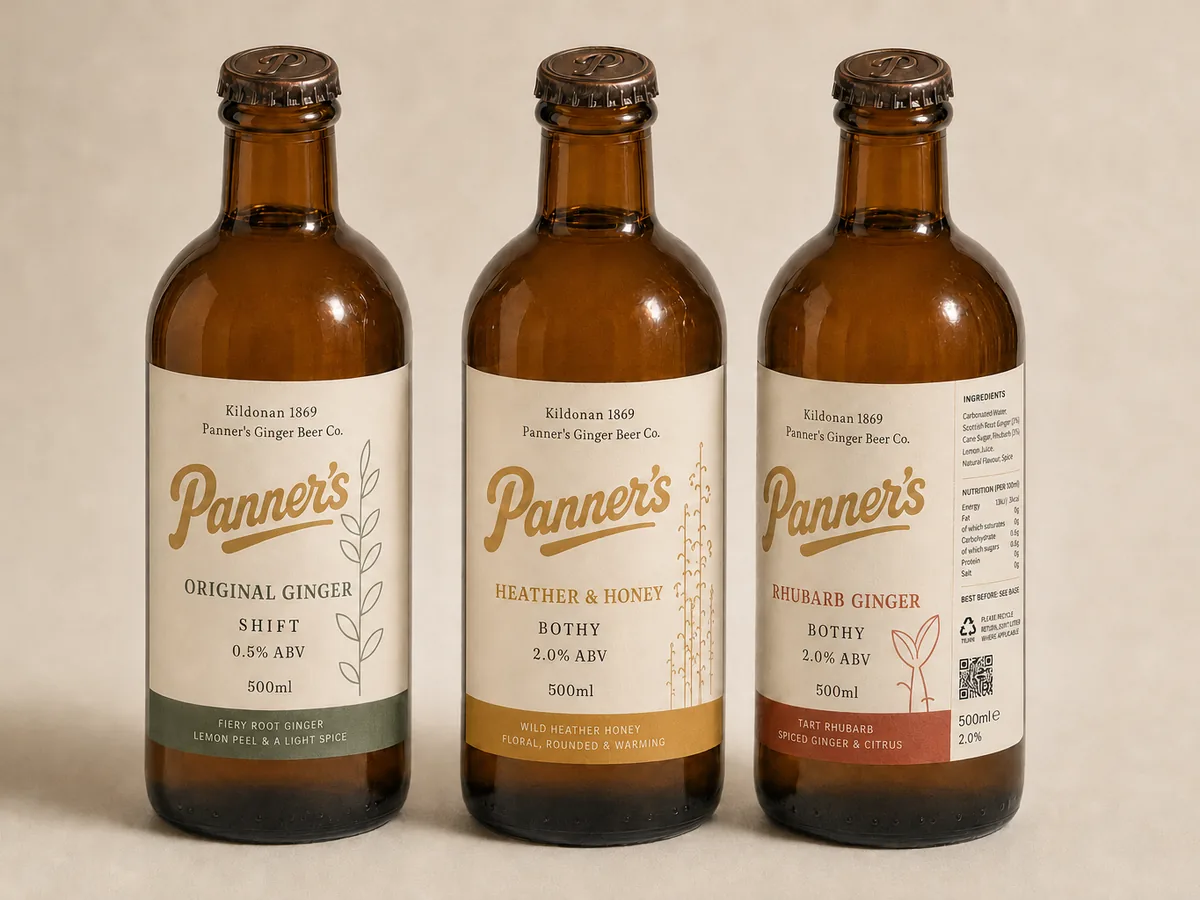
Questions
The things people actually ask.
We are a small volunteer group with a small budget. Is that a problem?
No, but be straight with me about the figure at the start. I would rather scope a project honestly to a real budget than produce something beautiful you cannot afford to build.
Can you quote for a funding application?
Yes. I can provide a written quote with the breakdown most funders want, and I understand that the work may not start for months and may be contingent on the award.
Who owns the artwork?
You do, on completion, along with the source files. That matters more here than in commercial work, because a trust may need to reprint a panel in eight years with no budget to redesign it.
Do you research the history yourself?
I do the design research and I will check what I am given, but the subject expertise should come from you or your historian. Where I do use a source I cite it, because a heritage project that gets a date wrong loses the trust of exactly the people who care most.
Also from the studio
Got a project that has to be understood, not sold?
Tell me what you are working on. No pitch, no jargon, just a conversation about whether I am the right person for it.